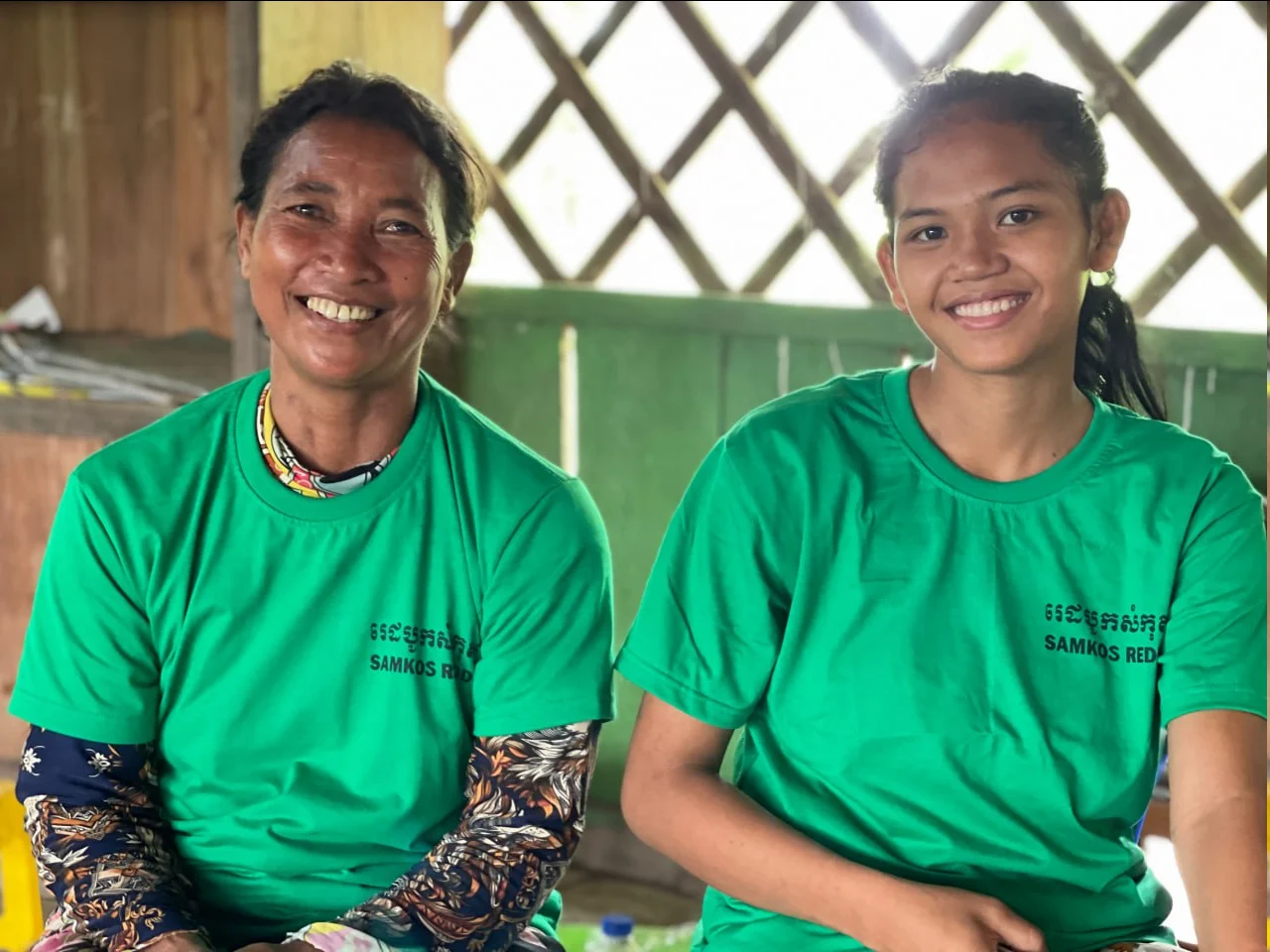
Establishing Free, Prior, and Informed Consent (FPIC) with a community is more than a box-ticking exercise. It’s an ongoing dialogue between local communities and project’s implementers, grounded in the principle that consent is only meaningful when communities are fully informed of any changes that may affect their daily lives.
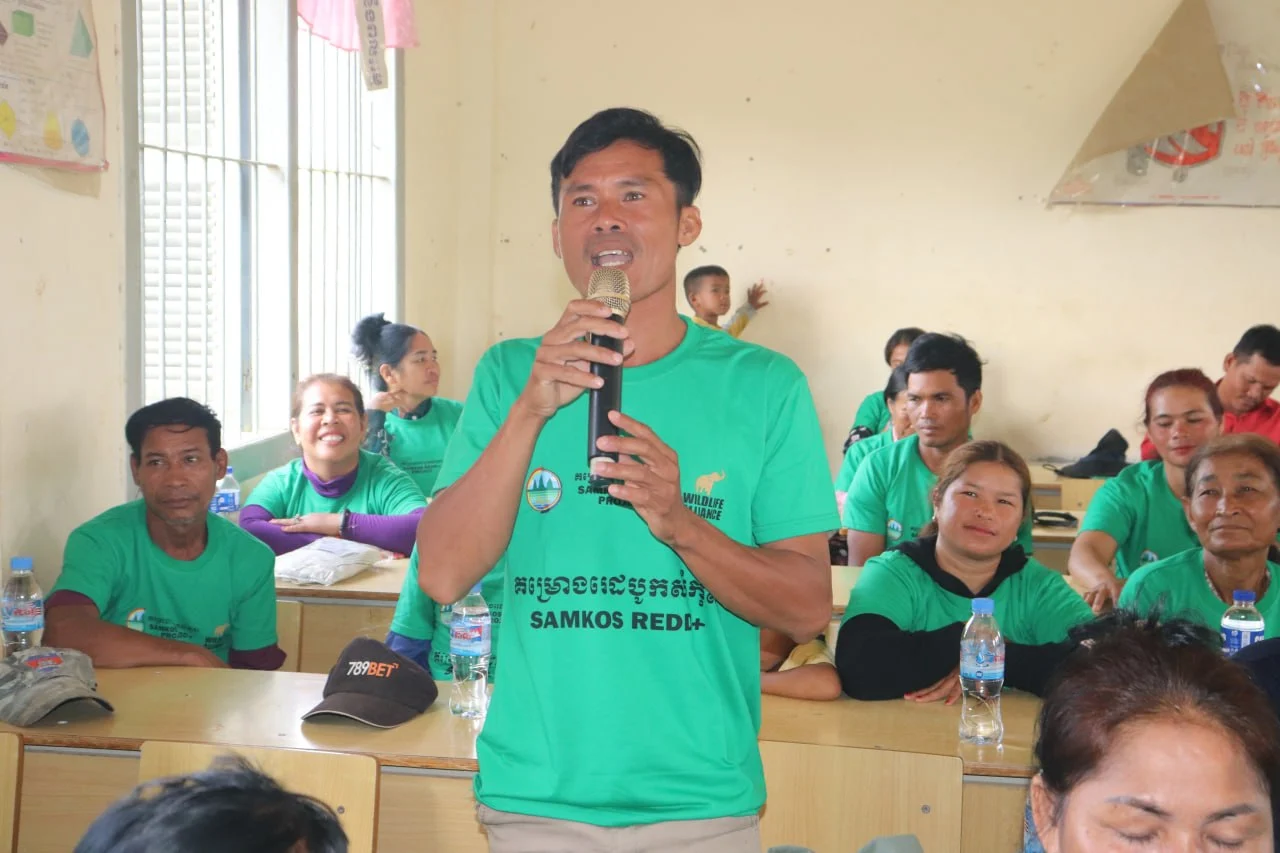
For the Samkos REDD+ project, Wildlife Alliance organizes comprehensive full-day sessions to share knowledge and discuss any communities’ concerns. All community members are invited to attend, share their opinions, ask questions and vote by secret ballot to formalize their preference towards the project.
Each session begins with a series of presentations covering climate change, how forests help mitigate its impacts, and how starting a REDD+ project on nearby state forest could affect these local communities. A common misconception is that REDD+ restricts people’s access to their land, while in fact, the project area only overlaps with existing protected state land. To make this as clear as possible, an afternoon boundary visit follows the morning’s sessions and lunch, giving participants the opportunity to join the survey team and visit the Samkos perimeter. Since the project boundary goes beyond the existing community forest, there shouldn’t be much confusion about access to begin with, but these visits go a step further to remove any uncertainty.
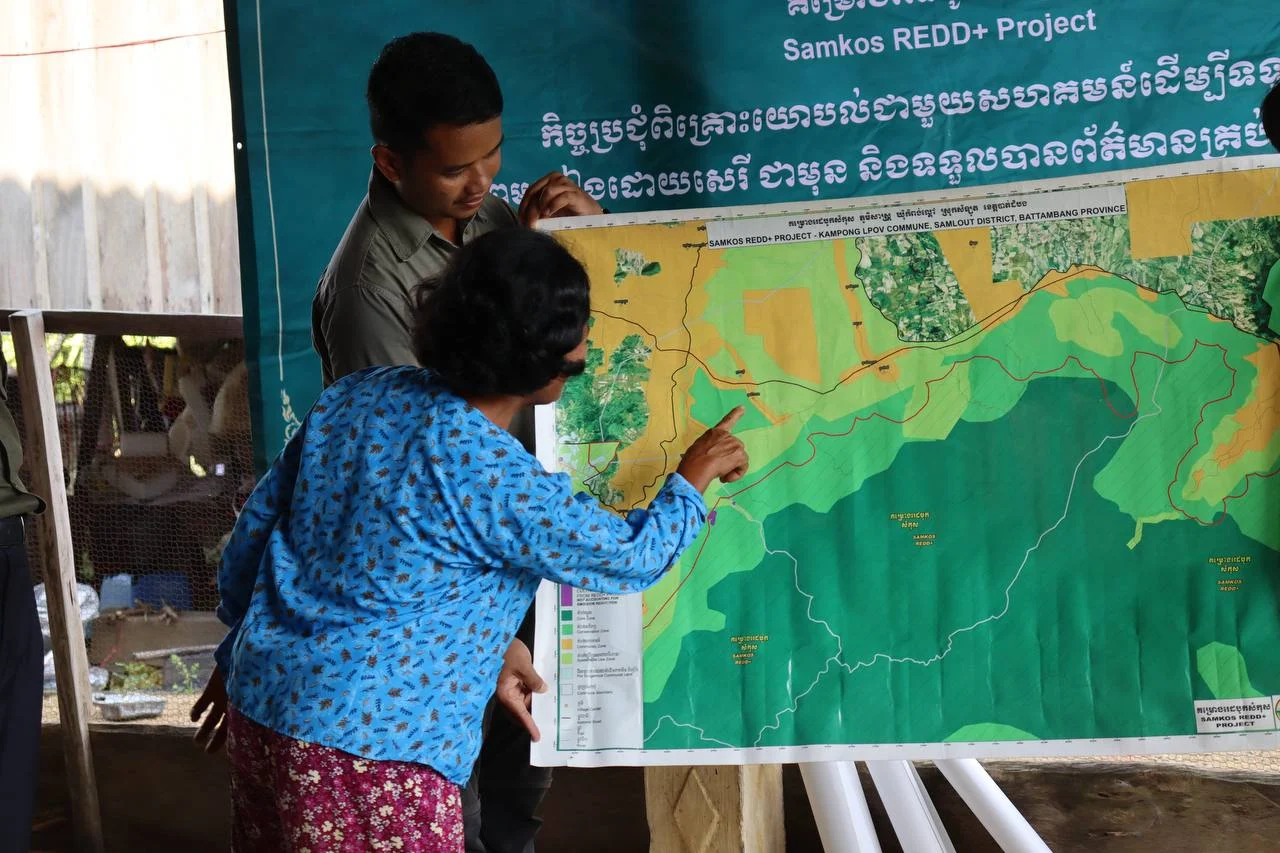
Session length varies according to the size and population of a village, but our FPIC teams stay long enough for all who would like to be able to participate. While formal sessions are held annually, in practice we aim to host more meetings and have more frequent updates from the community representatives. Since the project’s inception , Wildlife Alliance has made a series of improvements to community engagement processes and project documentation in response to community feedback and evolving best practice.
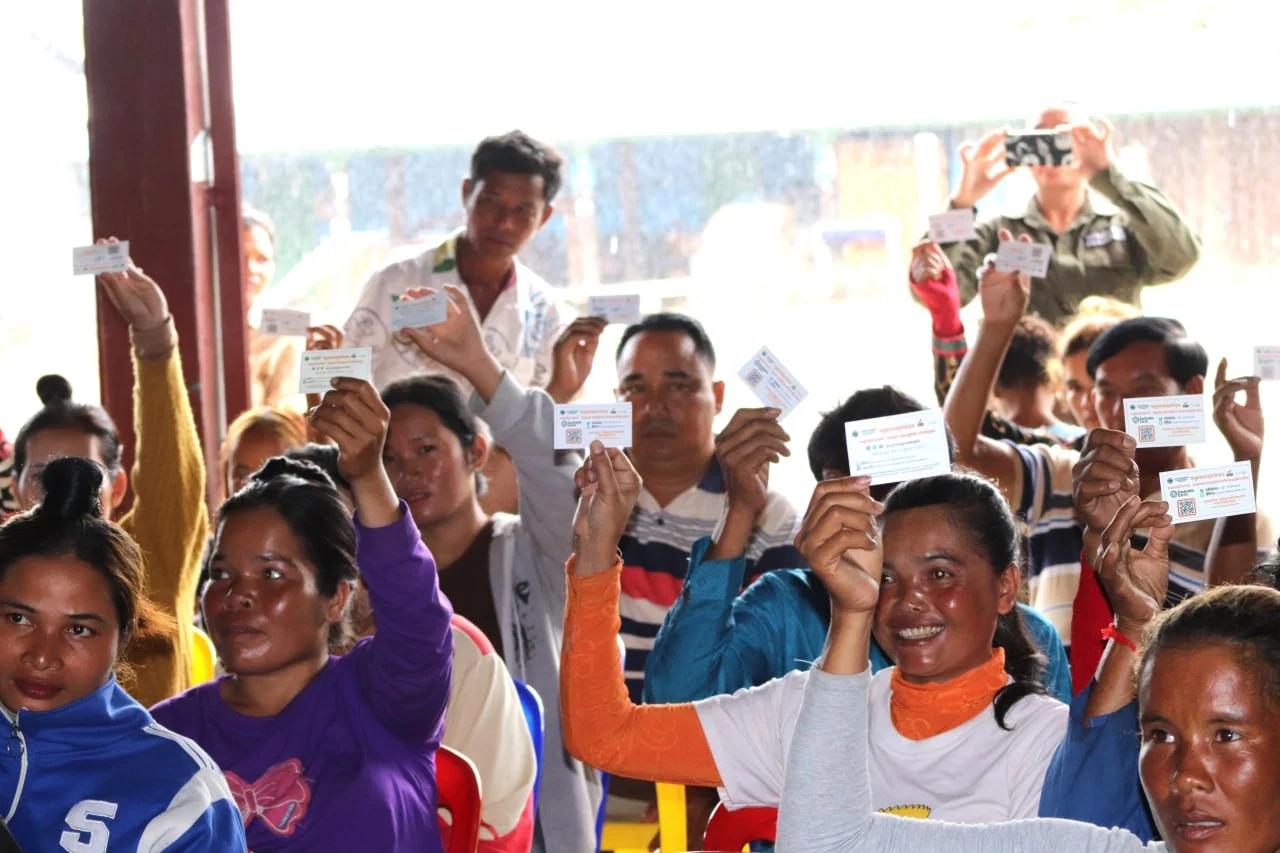
This ongoing commitment is reflected in the scale of current engagement. Engagement has increased from short sessions to full-day consultations, with the number of sessions rising to 135 annually and outreach expected to reach around 83% of households across 27 villages. These consultations include clearer explanations of project boundaries, benefit sharing, land rights, and grievance mechanisms, alongside physical boundary visits and secret ballots to document community consent.




Leave A Comment