The Problem
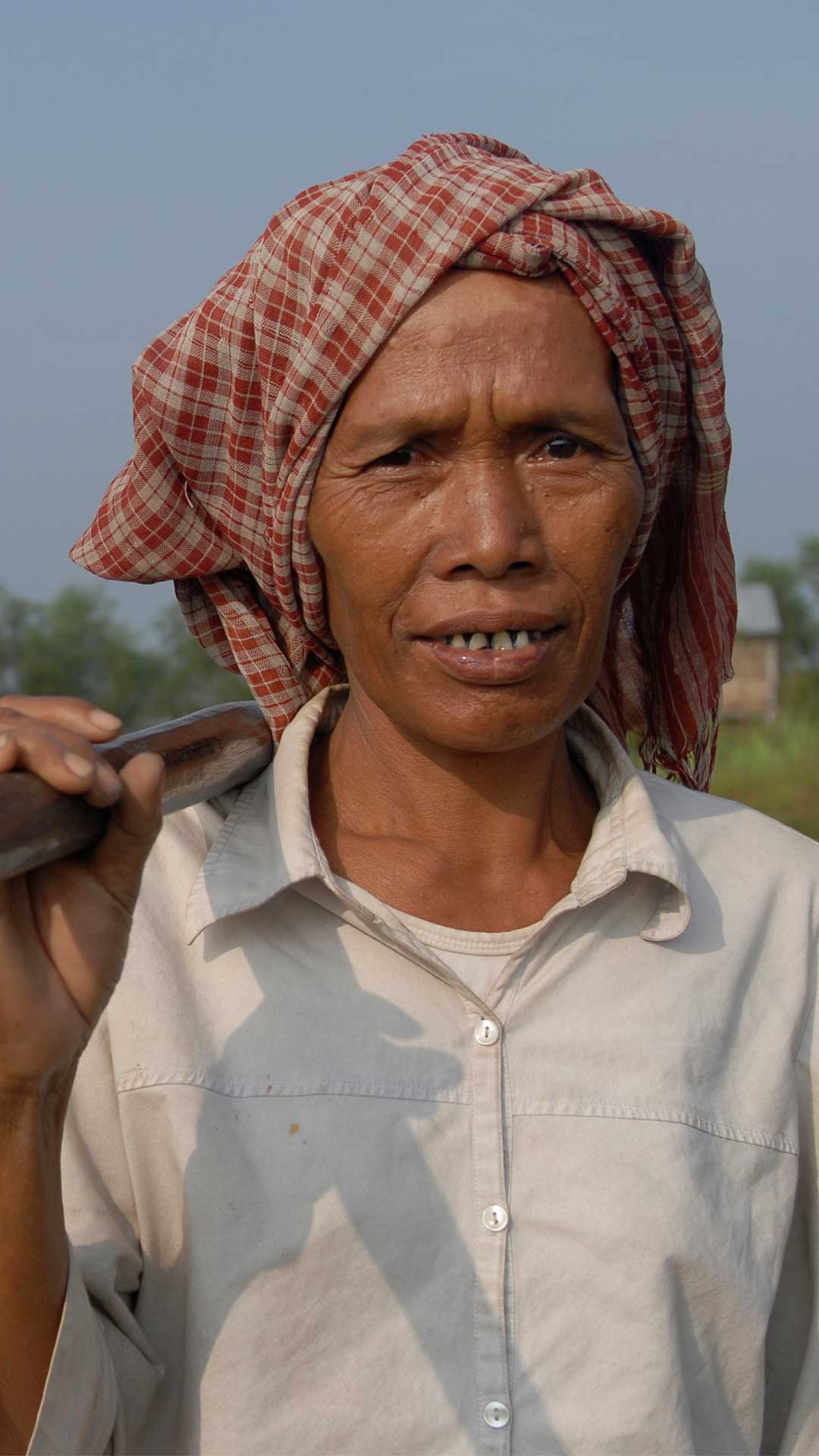
In the rainforests of Cambodia’s Cardamom Mountains, poverty and deforestation are deeply connected. Families living at the forest edge have historically relied on slash-and-burn farming, wildlife poaching, and illegal logging, not by choice, but because they had no viable alternative. The same forest that Wildlife Alliance works to protect is the forest these communities depend on to survive.
Clearing rainforest for agriculture creates more hardship than it solves. The soils left behind are thin and sandy, and the extremes of the tropical climate, searing dry seasons followed by monsoon rains that wash away seeds and topsoil, mean that most families relying on slash-and-burn cultivation harvest only once a year, with yields too low to lift them out of poverty. The land degrades further with each cycle, pushing families deeper into the forest to clear more land.
A Different Approach
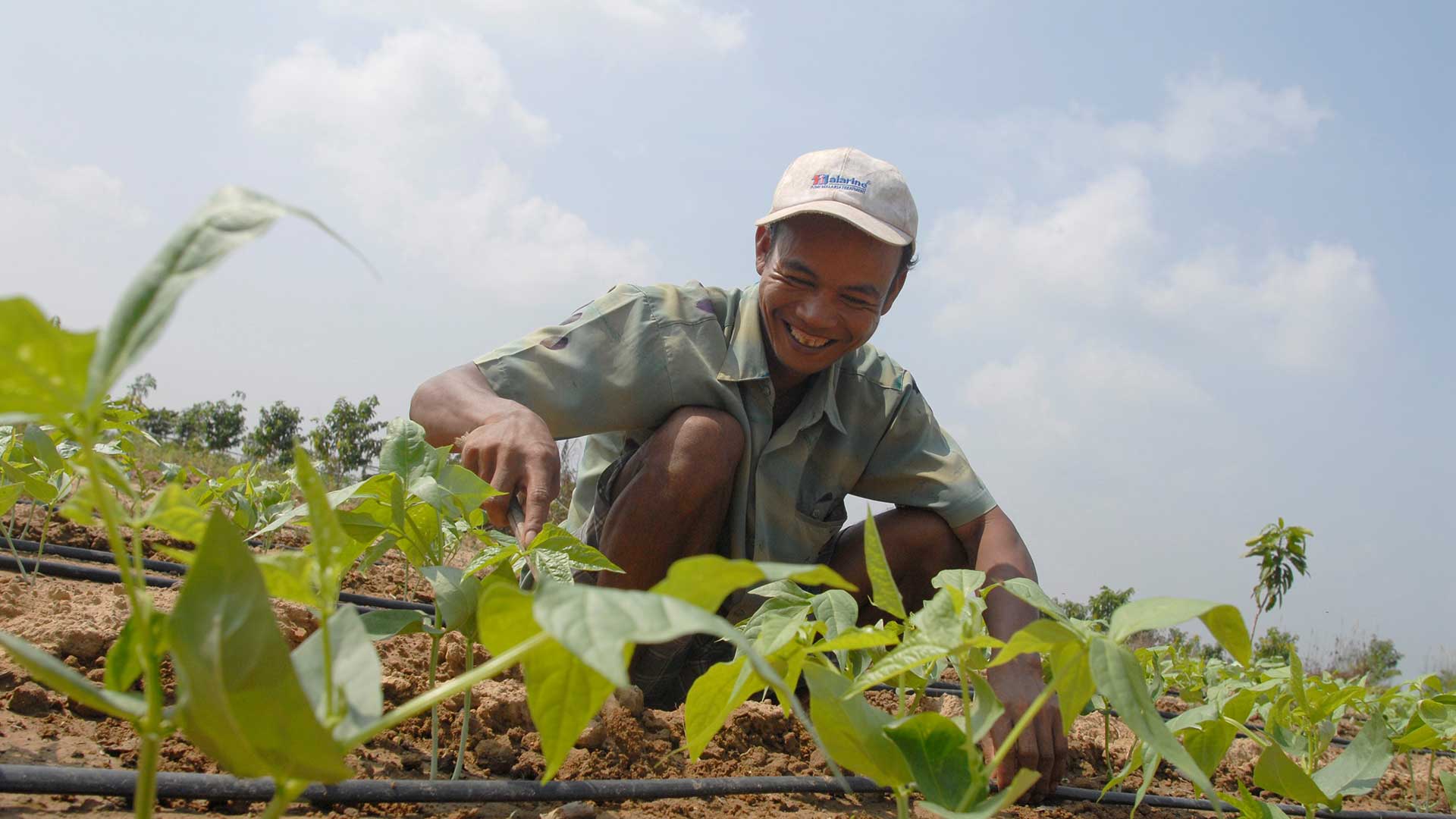
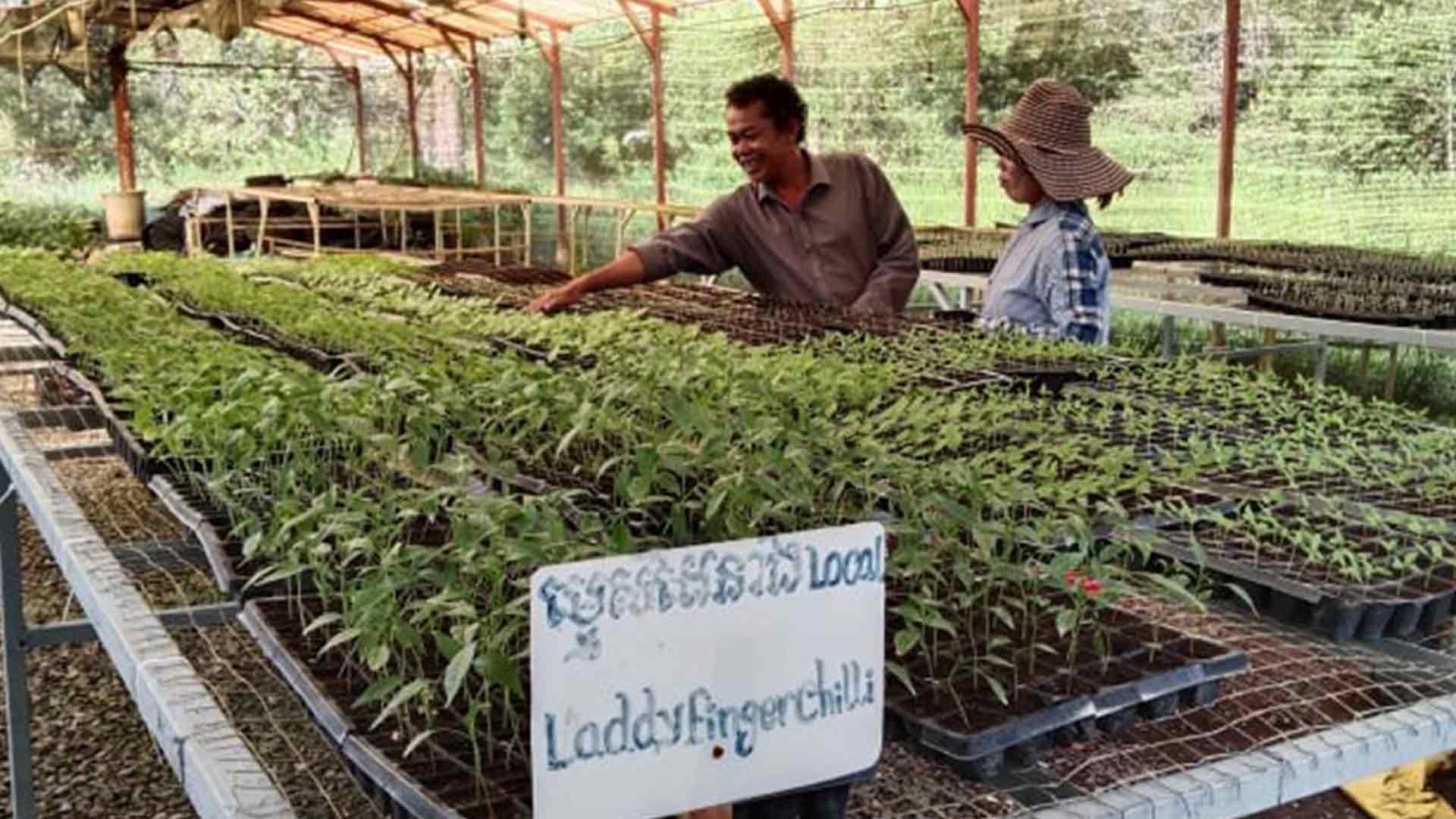
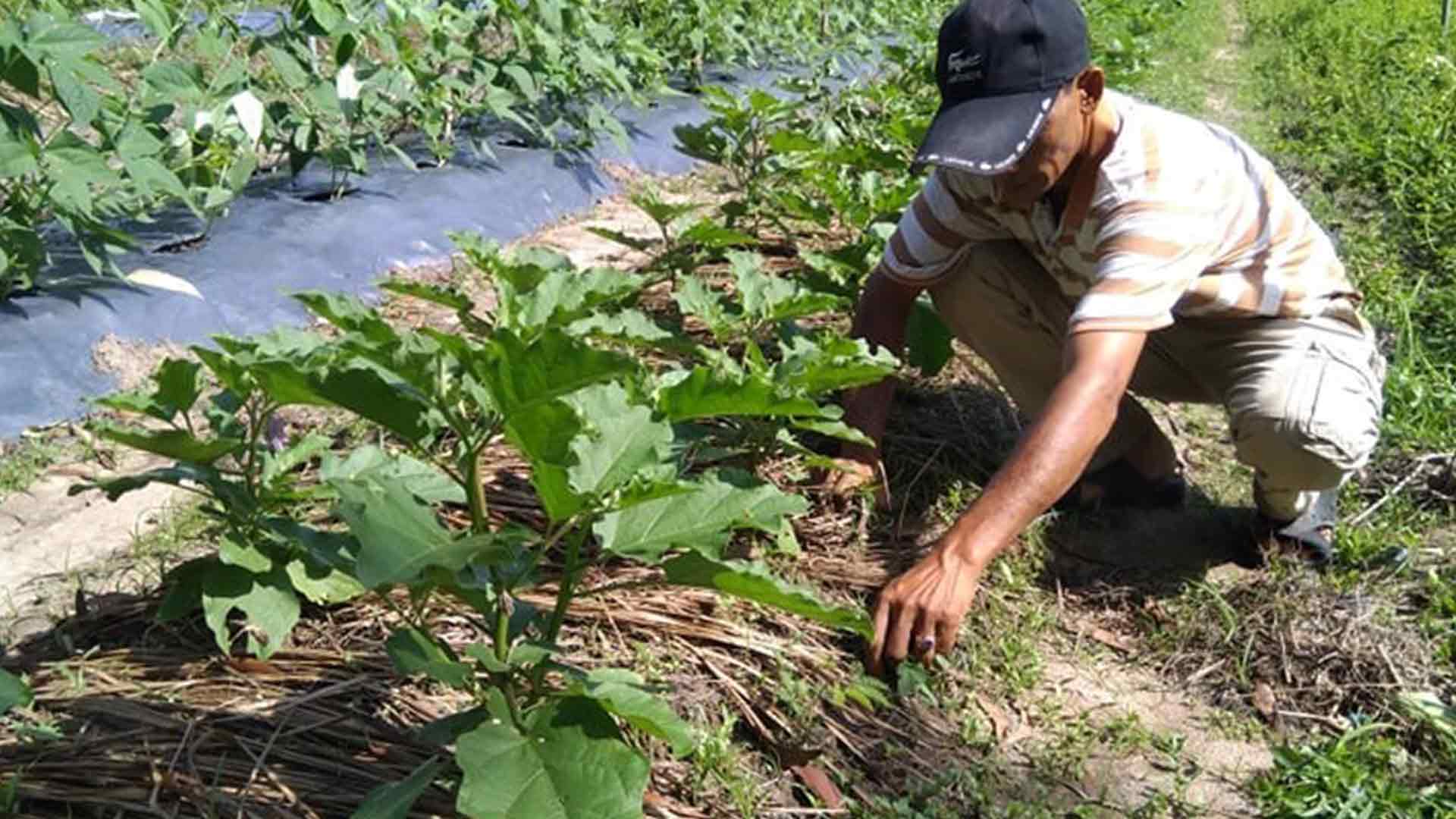
Wildlife Alliance has developed sustainable farming and livelihood models specifically adapted to the tropical environment. By working with local farmers to introduce techniques that account for seasonal extremes, we have helped communities move from one harvest per year to bringing produce to market every two weeks. In Sovanna Baitong village in the Cardamoms, this shift has resulted in farmers earning 300% more income than when they were practicing slash-and-burn agriculture. Our livelihood models span three areas: sustainable agriculture, small enterprise development, and community-based ecotourism (CBET).
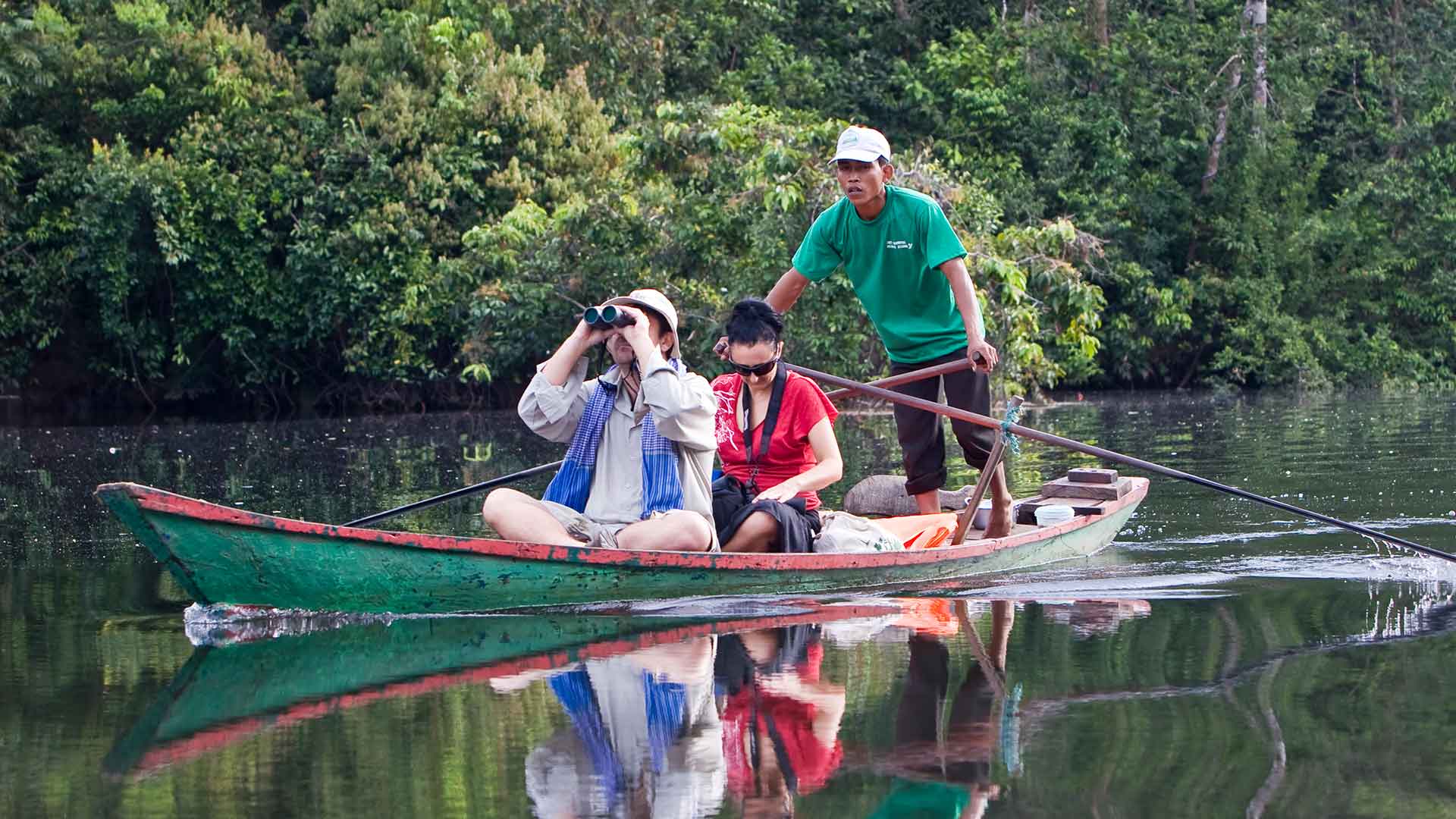
Community-based Ecotourism in Chi Phat
Chi Phat, a village on the edge of the Southern Cardamom rainforest, has become one of Southeast Asia’s most recognized community ecotourism success stories. Families that once depended on the forest for subsistence have stopped slash-and-burn practices entirely and now earn a sustainable income welcoming visitors from around the world. Guests come to trek through the Cardamom rainforest, kayak its rivers, mountain bike its trails, and stay in community-run guesthouses and homestays.
Wildlife Alliance provided the start-up support that made this possible – funding for a community visitor center, home and guesthouse upgrades, and initial equipment – alongside hands-on capacity building in hospitality, nature guiding, English, cooking, financial literacy, and computer skills. The community manages the program itself, and the Chi Phat CBET project has received several international awards in recognition of its model.
Women hold 67% of decision-making positions across Chi Phat’s business associations, agriculture associations, and community funds, a reflection of the program’s commitment to inclusive governance from the outset. For more information on visiting Chi Phat, please click here.
Why Livelihoods Matter for the Forest
When communities have a reliable income that depends on a healthy, standing forest, the incentive to protect it becomes economic as well as environmental. This is the foundation of Wildlife Alliance’s approach to REDD+ our community livelihoods programs are not separate from our carbon and forest protection work, they are what make it durable. Verified emissions reductions are only meaningful if the communities living inside and around the forest have a genuine stake in keeping it standing.